PRS & The Musicians Union.
29 November, 2023
How to monetise off music and protect your working rights in the industry. Top tips from our Spirit+ session with PRS and Musicians Union.
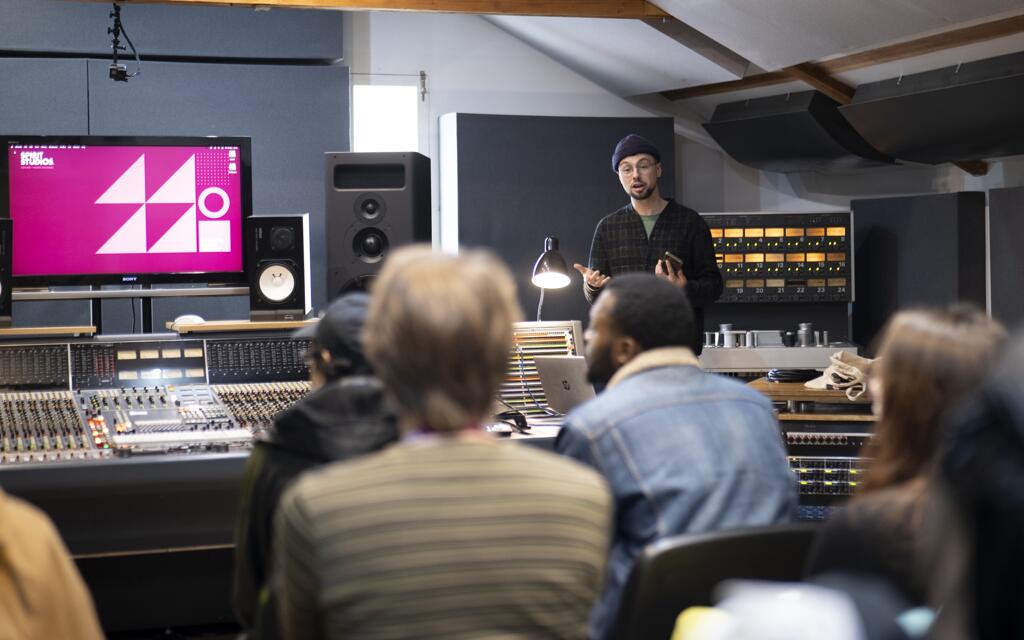
We recently had a Spirit+ session with two of the most important organisations in the music industry, PRS and the Musicians Union. PRS is responsible for making sure artists are paid for their work and the Musicians Union works to protect members’ rights and campaign’s for a fairer music industry. This article will highlight some of the most useful takeaways from the session. Covering how to maximise revenue streams from music, how to copyright your music and how to increase your chances of succeeding in funding applications.
The Musicians Union

Trade unions are important in all industries to ensure fair pay and conditions for workers. Established 130 years a go, The Musicians Union (MU) represents employed and self-employed musicians in every area of the industry, currently with over 34,500 members. Their website has lots of valuable information, that is free to access, to help musicians and artists navigate the industry such as:
- rates of pay and agreements
- workplace rights and legislation
- advice to help musicians look after their health and wellbeing
- risk assessment guide for musicians
- healthcare services for musicians
- career development
- learning and training opportunities
- job opportunities
Signing up to be a member gives you access to exclusive services that could be invaluable for working in the industry such as:
- insurance cover for legal liability, music instrument insurance cover, financial aid for times of need and more
- access to expert legal advice for negotiating contract terms, recovering unpaid fees, partnership advice and more
- expert advice, events and resources for career development within the community of musician
Membership rates vary with standard membership costing under £20 a month, student membership for £20 per year as long as your in full time education, or the first six months membership for just £1. You can sign up here.
PRS for Music

PRS for Music is home to the Performing Right Society (PRS) and the Mechanical-Copyright Protection Society (MCPS). Paying royalties to members when their work is performed, broadcast, streamed, downloaded, reproduced, played in public or used in film and TV. They support members by influencing policy, supporting and hosting awards and events, and investing in new technology to ensure monitoring and matching music licenses are up to date and effective. There are currently 165,000 members, with 38 million works registered and over £836 million paid out to rightsholders.
MCPS manages mechanical royalties (when music is copied) such as vinyl, CD’s, downloads, musical toys and cards. Read more about MCPS here.
Signing up to PRS and registering your music can be lucrative as there are a number of channels that can generate royalties from your music. Such as:
- Gigs, clubs and small venues
- Concerts and festivals
- TV and radio air play
PRS uses music recognition technology to register and report music that is played in venues so artists getting paid every time their music is played.
To get paid by PRS your songs must be registered individually. Each song will have a unique code that is recorded every time the song is performed. Each time translating into more royalty payments. The Get Paid Guide breaks down how this process works including a checklist with all the steps to registering your music and getting paid.
Joining PRS or MCPS as a writer costs a one-off £100 fee, and a further £100 to join MCPS. However if you are a music creator and aged under 25 you can join PRS for £30 and start earning royalties from you music. Sign up here.
Phonographic Performance Limited (PPL) is a separate organisation who licenses different sets of rights in the use of music. PPL licenses the use of recorded music where played in public, broadcast on radio or TV, or used on the internet, on behalf of record companies and performers. It is free to join PPL so sign up here or read more.
Funding
There are also a large amount of funds and grants available to all levels of musicians from PRS. In 2021 The PRS Foundation awarded £32 million in over 6,700 new music initiatives. Funds are available to songwriters, composers, artists, bands, producers or performers who write their own music. You can browse the funding options for music creators available here.
The application process is notoriously competitive, luckily during the Spirit+ session we were given some top tips for funding applications:
- apply for the correct fund at the right time
- make sure your application is related to a specific project
- don’t just apply for the maximum amount for the sake of it – you should breakdown how the funding will be used and provide a balanced breakdown of spending
- include your best recent songs
- Ensure the links are working ask someone else to read it through
- If written applications aren’t your thing, video applications are accepted for some funds
Although a career in music can be hard to navigate and uncertain, signing up to PRS and the MU is likely to give you more security and support. If you have any questions regarding the topics in this article, or would like some more information, please speak to your tutors who can point you in the right direction.
Related articles

Industry course students come together as part of our Collaboration Week

Things to do in Manchester this festive season